
How to Check Criminal History in Medina County
Begin with the event, not just a name. A Medina County felony case belongs with the District Clerk. A Class A or B misdemeanor belongs with the County Clerk, while a fine-only city citation may remain in a municipal court. The arresting agency retains its incident or arrest report, and the Medina County Jail holds local booking and custody facts. The Texas Department of Public Safety compiles reportable statewide events, but its public product is narrower than a full court or law-enforcement file.
Gather the full name, date of birth, spelling variants, approximate date, arresting agency, and any cause or incident number. Then follow the shortest path to the original source:
- Identify whether the record is a police report, booking, court case, warrant, state history, or registry entry.
- Search the proper local court index or call the agency that created the record.
- Compare the date, court, charge, and other public details before treating a name match as the right person.
- Read the judgment or official disposition when the outcome matters; an initial charge may change.
- Order a certified copy or use fingerprint review when a formal, identity-linked result is needed.
The official Medina County website shows the offices and courthouse services that anchor the local search. Its page layout makes the split between sheriff, clerk, court, and other county records clear.

The county directory is a starting point, not a combined criminal-history database. Move from it to the office that owns the exact record.
Medina County Criminal Records Split
The most useful local distinction is found inside the Courthouse Annex at 1300 Avenue M in Hondo. Felony filings for the district courts are handled by the District Clerk in Room 201, open weekdays from 8 a.m. to 5 p.m. Class A and B misdemeanor files for the County Court at Law go through the County Clerk in Room 163, open weekdays from 8 a.m. to 4:30 p.m. The County Clerk asks people to call before traveling so staff can confirm which papers and search route will be needed.
District Clerk
1300 Avenue M, Room 201
Hondo, TX 78861
830-741-6070
Felony files and 1990-present access
County Clerk
1300 Avenue M, Room 163
Hondo, TX 78861
830-741-6040
Class A and B misdemeanor files
Both offices offer public terminals and a $5 staff name search. Mail requests must state the person, period searched, and result wanted, with the required payment and return envelope. The County Clerk will not give search results by phone.
Official Texas Background Checks
Texas DPS offers two very different routes. Its Criminal History Conviction Name Search uses an account and $1 credits. One credit is charged for a no-match search, and another is used for each full record opened. Card purchases add 2.25 percent per credit and a 25-cent transaction fee. Soundex and similar-name matching can help find variations, yet DPS warns that a name match is not positive identification.
For review of one's own Texas record, DPS points to Fingerprint Applicant Services of Texas through IdentoGO by IDEMIA. The researched state charges were $15 for the record check and $10 for FAST fingerprint capture. The live enrollment system should be used to find a current site because no official Medina County street location was confirmed.
| Channel | Located cost | Best use |
|---|---|---|
| DPS public name search | $1 credit plus card charges | Public Texas conviction and deferred-adjudication data |
| DPS fingerprint review | $15 plus $10 capture | A fingerprint-linked review of one's own Texas record |
| Medina clerk search | $5 per person | Cases held by that one local clerk |
| FBI identity summary | $18 federal fee | One's own federal identity-history summary |
The DPS public search explanation shows the credit rules and name-match cautions.

This state result supplements local Medina County files. It does not replace the judgment, booking sheet, or agency report.
Medina County Record Search Costs
A $5 clerk search and a $1 DPS credit buy different things. The local fee covers a staff search of the index held by that clerk. The DPS credit opens public statewide conviction or deferred-adjudication information returned by a name search. Neither is the same as fingerprint confirmation. A careful searcher chooses scope first, then price.
For copies, the County Clerk charges $1 per page, and certification adds $5 plus the page cost. District Clerk instructions list $1 per printed page, 10 cents per emailed page, and $5 for certification. Older District Clerk material also carries legacy charges, so current costs should be confirmed before sending payment. This matters most for a large case file, where a narrow request for the judgment or disposition may cost less and answer the question better.
Note: A paid name search can still return no match, and a low fee does not make the result identity-proof.
Types of Criminal Records in Medina County
A single arrest can create records in several places. Medina County law enforcement writes the incident and arrest report. The jail creates intake, bond, property, fingerprint, and release data. A prosecutor may then file a complaint, information, or indictment, producing a clerk-held case file. DPS receives reportable arrest and disposition events for its statewide Computerized Criminal History system. Each record answers a different question.
- Incident and arrest report: the originating agency's account of the event and alleged offense.
- Booking record: the jail's intake, charge, bond, and custody record.
- Court case file: filed charges, docket events, pleas, orders, judgment, and sentence.
- Warrant record: an order from the issuing district, county, municipal, or justice court.
- State CCH entry: a fingerprint-supported cycle compiled from agency submissions.
- Registry or supervision record: a focused record governed by separate access rules.
The county's Justice of the Peace directory is useful when a fine-only citation did not reach a county criminal clerk.
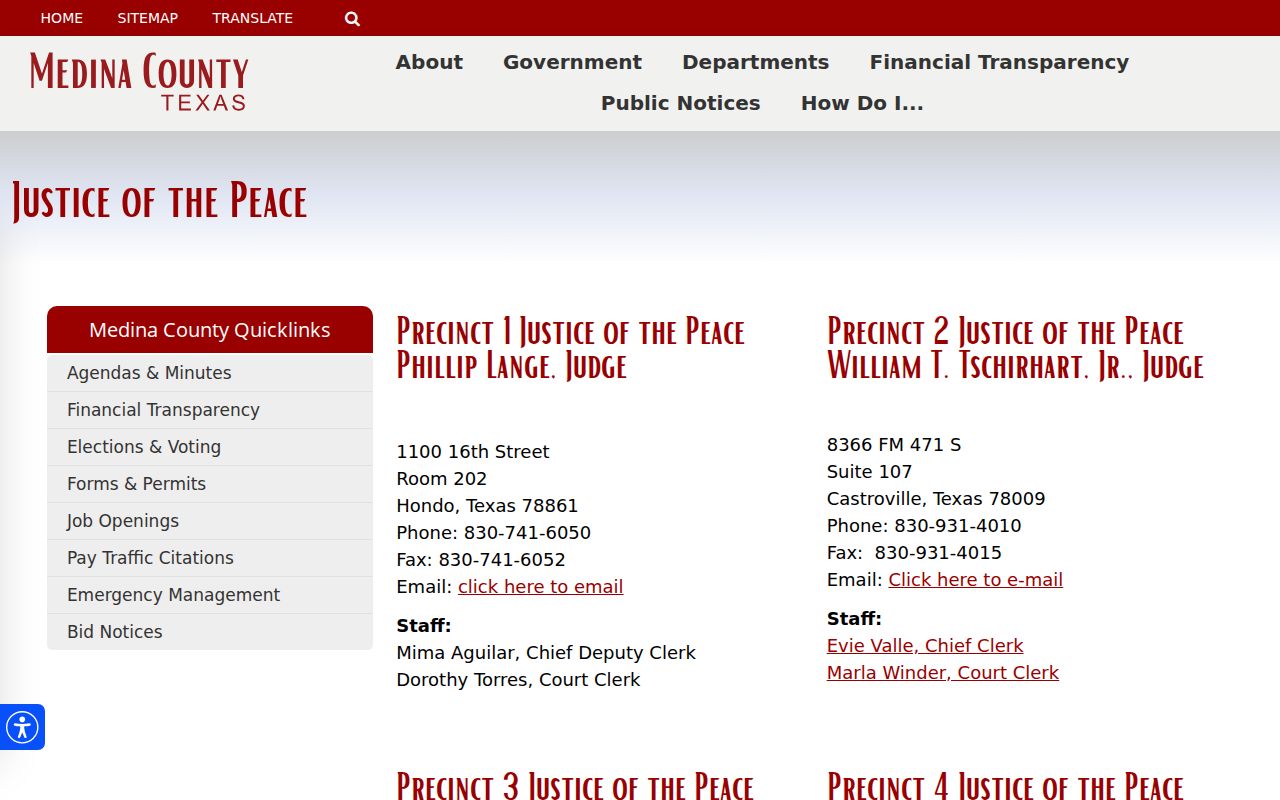
Its online service is limited to undisposed tickets and excludes juvenile matters, so a missing result may call for direct contact with the issuing precinct.
Four Medina County Arrest Records
The four main layers are the agency report, jail booking, filed court case, and DPS cycle. They do not update at the same time. The arresting officer's charge is an allegation. A prosecutor can reject it, change it, or file a different offense. The jail entry can disappear from a current-custody view after release, while the report and later case remain with their custodians.
Medina County has no verified public county jail roster or countywide booking log. Call the jail at 830-741-6058 for current custody, then request a booking sheet when the web does not supply the needed details. For a city arrest, request the narrative from that city's police department. Lytle adds a local trap: official weekly reports show that some arrests go to Atascosa County Jail, so the place of arrest does not always identify the booking county.
Record flow: Arresting agency › booking jail › prosecutor and court › Texas DPS repository.
What a Medina County Criminal Record Shows
Read the field names in light of the source. A jail charge is the allegation at intake. A cause number ties filed papers to one Medina County prosecution. The judgment is the best local source for the offense, degree, plea or verdict, sentence, jail credit, fine, costs, and any community-supervision order. A DPS rap sheet combines reportable cycles and may contain aliases, state and federal identifiers, arrest data, prosecution, disposition, custody, and supervision updates.
| Name and identifiers | Submitted name, aliases, birth data, and source-specific identification fields. |
|---|---|
| Arrest and booking | Agency, date, intake charge, bond, and custody or release information. |
| Charges and statutes | Alleged or filed offense, degree, and controlling Texas law. |
| Disposition | Dismissal, plea, verdict, deferred adjudication, or other final result. |
| Sentence | Custody, fine, costs, jail credit, or community-supervision terms in the judgment. |
| Custody and supervision | County jail, TDCJ, probation, or parole status when public and reported. |
Terms can mislead without context:
- Disposed
- The case has an outcome; it does not always mean conviction.
- Deferred adjudication
- The court deferred a finding of guilt, though public DPS data may still show the event.
- No bill
- A grand jury declined to return an indictment.
- Capias
- A court order directing that a person be taken into custody.
Correct Medina County Criminal Records
When DPS lacks a Medina County disposition, obtain a certified court disposition from the clerk that entered it. DPS says a private copy or ordinary photocopy is not enough for its Error Resolution Unit. This is one reason to find the correct felony or misdemeanor custodian before paying for certification. The seal and certification connect the update to the official file.
First compare the DPS entry with the judgment, not only a portal summary. Confirm the cause number, offense, date, and result. Request the certified disposition from the District Clerk for a felony or the County Clerk for a County Court at Law misdemeanor. Then follow the DPS correction instructions. After processing, review one's own fingerprint-based record again rather than assuming the online name product shows the full authorized file.
Note: A dismissal may support relief in some cases, but it does not by itself erase the arrest, booking, or state cycle.
Public Access Laws for Medina County Criminal Records
Texas law separates executive-branch agency records from judicial files. Sheriff, police, and prosecutor administrative records generally use the Texas Public Information Act. Filed court records follow court-access law and clerk practice instead. A request must seek an existing record from the body that holds it; an office does not have to answer questions or create a new document.
Key Texas laws:
Government Code Chapter 552 gives access to public information while preserving confidentiality and law-enforcement exceptions.
Government Code Sections 411.083 and 411.135 limit criminal-history release but authorize the public DPS conviction route.
Code of Criminal Procedure Chapter 55A governs expunction of qualifying Texas records.
Family Code Chapter 58 protects juvenile law-enforcement records and sets sealing rules.
The Attorney General's public-information overview explains prompt production and the ruling process.
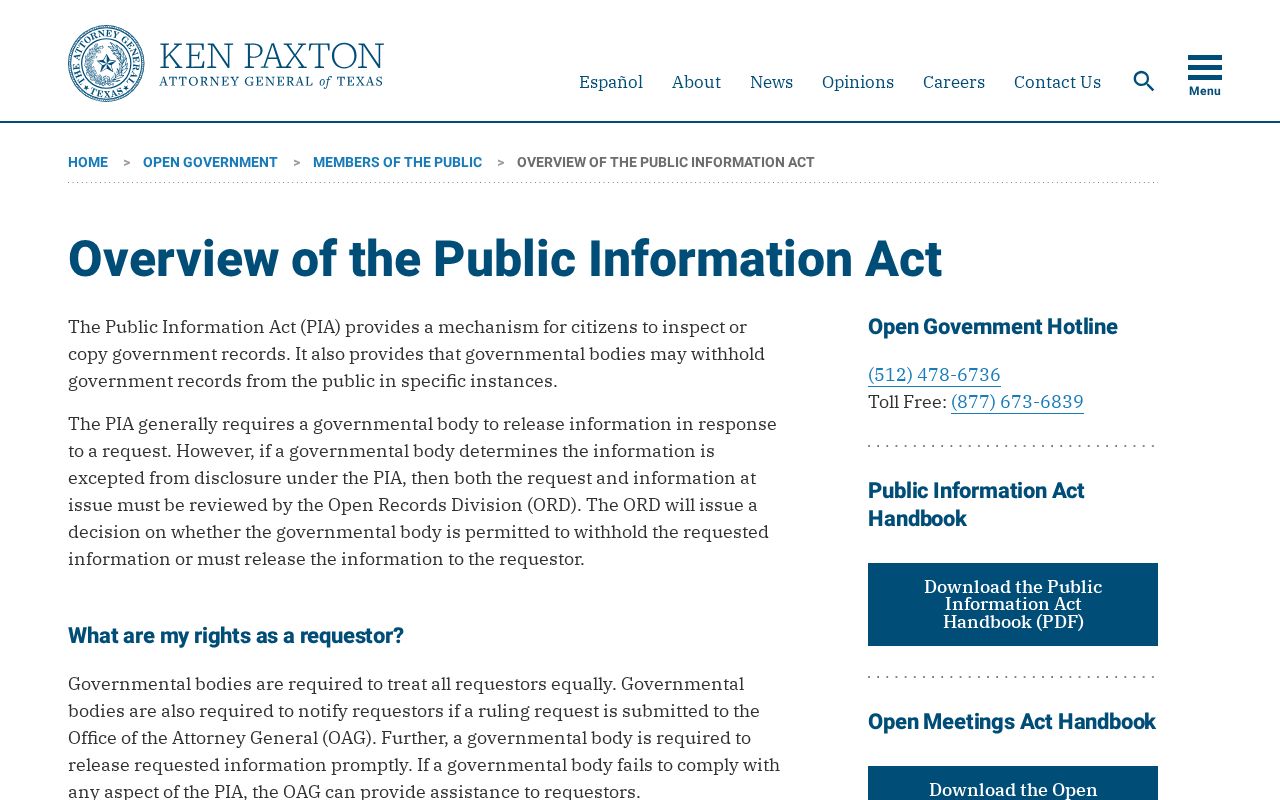
The ten-business-day rule concerns an agency's response or request for a ruling. It does not promise that every record will be delivered within ten business days.
Search Medina County Warrant Records
No countywide sheriff warrant search was verified. Start with the issuing court. Sheriff warrant and extradition staff can be reached through 830-741-6150 or continuous dispatch at 830-741-6153 for the current county procedure. A bench warrant may appear in the related court file even when there is no sheriff web list.
Hondo Municipal Court publishes a warrant PDF, but the researched version was dated June 2025 and is not real time. It also covers only that municipal jurisdiction. Confirm the status directly, ask whether an appearance is required and whether bond is set, follow the issuing court's instructions, keep the receipt or order, and confirm clearance afterward. Sealed, juvenile, felony, fugitive, and other agencies' warrants will not be captured reliably in a city list.
Sealed, Expunged, and Restricted Records
Expunction, nondisclosure, dismissal, and juvenile sealing are not synonyms. Texas Chapter 55A, effective in its recodified form in 2025, controls expunction. Some paths depend on acquittal or actual-innocence relief. Other paths depend on no final conviction, no pending charge, the full criminal episode, and waiting periods that vary by offense level. Every charge must be checked.
An order of nondisclosure limits ordinary public release but keeps access for criminal-justice and other authorized bodies. Expunction removes qualifying covered records from normal access. Juvenile law has its own confidentiality and automatic-sealing rules. In Medina County, the practical expunction route runs through the District Clerk in Room 201. Obtain all dispositions first, compare the entire arrest cycle to the current statute, and confirm the filing total with the clerk.
Searching again after an order is worthwhile. Check the county portal and one's own fingerprint review to learn whether each custodian has applied the change.
Medina Jail or TDCJ Record
Medina County Jail data covers local pretrial and short-term custody at 2319 8th Street in Hondo. The facility operates continuously, but the county did not publish a web roster, capacity, or detailed public visitation and deposit rules in the researched material. Current custody should be confirmed by calling 830-741-6058. A booking sheet request is the fallback for fields the phone channel cannot supply.
TDCJ is the right source after a person enters state custody. Its online inmate search and status lines can return a TDCJ number, location, conviction offense, past incarceration, and projected release information. Parole is separate from county probation. The Texas Board of Pardons and Paroles makes release and revocation decisions, while the TDCJ Parole Division supervises people in the community.
The TDCJ Parole Division directory identifies the state supervision structure that applies beyond Medina County.
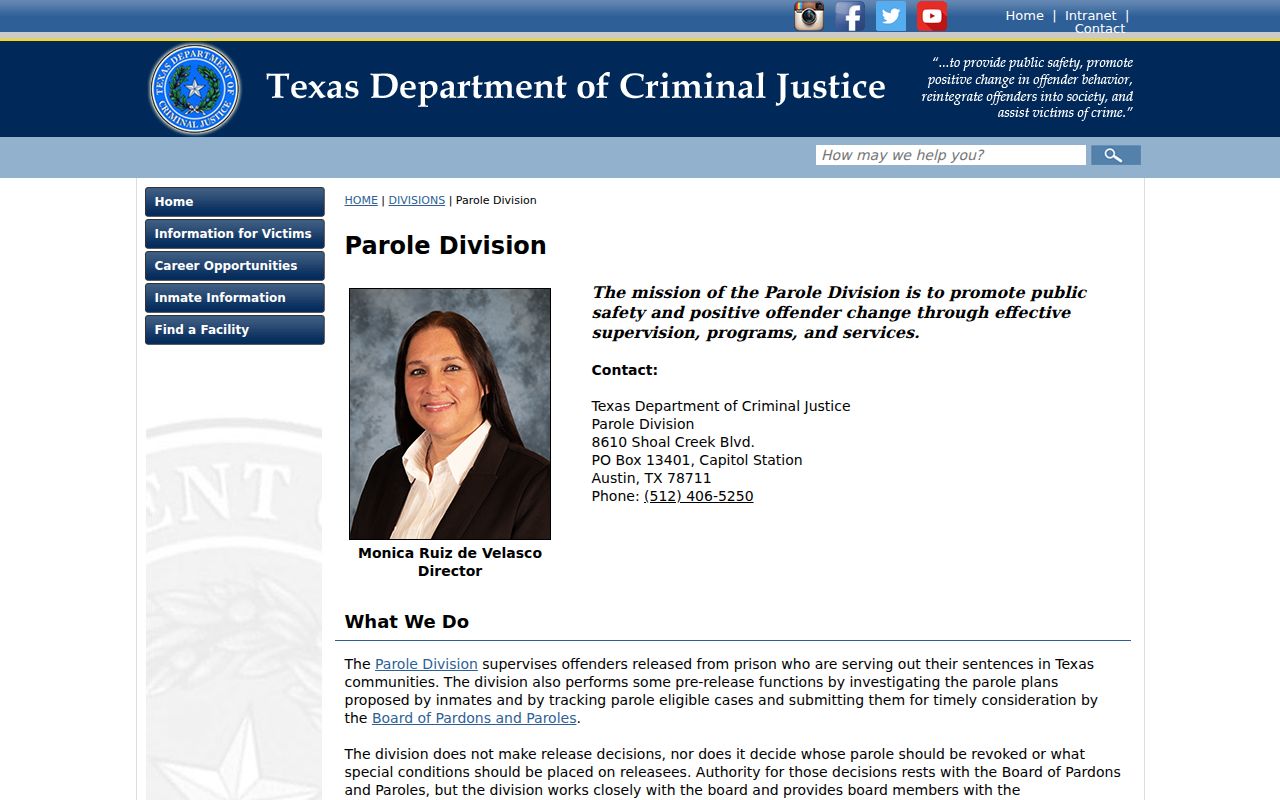
Medina County parole is assigned to the San Antonio I district office, while local community supervision is handled by the county's district CSCD.
Medina County Supervision Records
The 38th and 454th Judicial Districts Community Supervision and Corrections Department serves Medina County probation matters from 761 Avenue Y in Hondo, phone 830-741-6140. No public person-search portal was found. The sentencing judgment is the sound first source for whether the court ordered community supervision or deferred adjudication. Later motions and orders can show revocation action, while case-management notes, tests, treatment details, and officer assignments may remain restricted.
A county-hosted pretrial-diversion agreement lists possible reporting, education, treatment, and assessment terms, with a $450 nonrefundable district attorney fee and $60 monthly supervision fee. Those are terms of that named diversion document, not a universal probation fee schedule. Eligibility rules were not published and should not be inferred from the form.
Medina County Police Report Channels
Police reports stay with the agency that wrote them. Hondo, Devine, Castroville, Natalia, Lytle, LaCoste, constables, school police, and Texas DPS each have their own channels. Give the incident number when known, date and approximate time, location, involved names, and the exact type of record. Body-camera requests also need the date and approximate time, specific place, and at least one known subject under current Texas guidance.
Hondo offers a city open-records route. Devine directs public requests through its City Secretary when the police contact is not enough. Castroville has a web form with a maximum-charge field. Natalia publishes a detailed form and fee schedule. The sheriff posts no dedicated request email or online portal, so callers should confirm whether the county public-information address published by the district attorney is suitable for the requested sheriff record.
Criminal Records by City in Medina County
Hondo, Devine, and Castroville are Medina County's three largest incorporated cities in comparable 2020 Census counts. Each city police department holds its own reports, and each municipal court keeps fine-only matters within its jurisdiction. County clerks and the county jail enter the path only when an arrest is booked or a higher-level charge is filed.
Hondo Criminal History
8,289 residents · City police records and a four-mode municipal court search
Devine Criminal History
4,324 residents · Police contacts, current dockets, and the city warrant list
Castroville Criminal History
2,999 residents · Open-records form, dockets, and warrant archives
The Census county profile supplies the broader population context used with the official city counts.
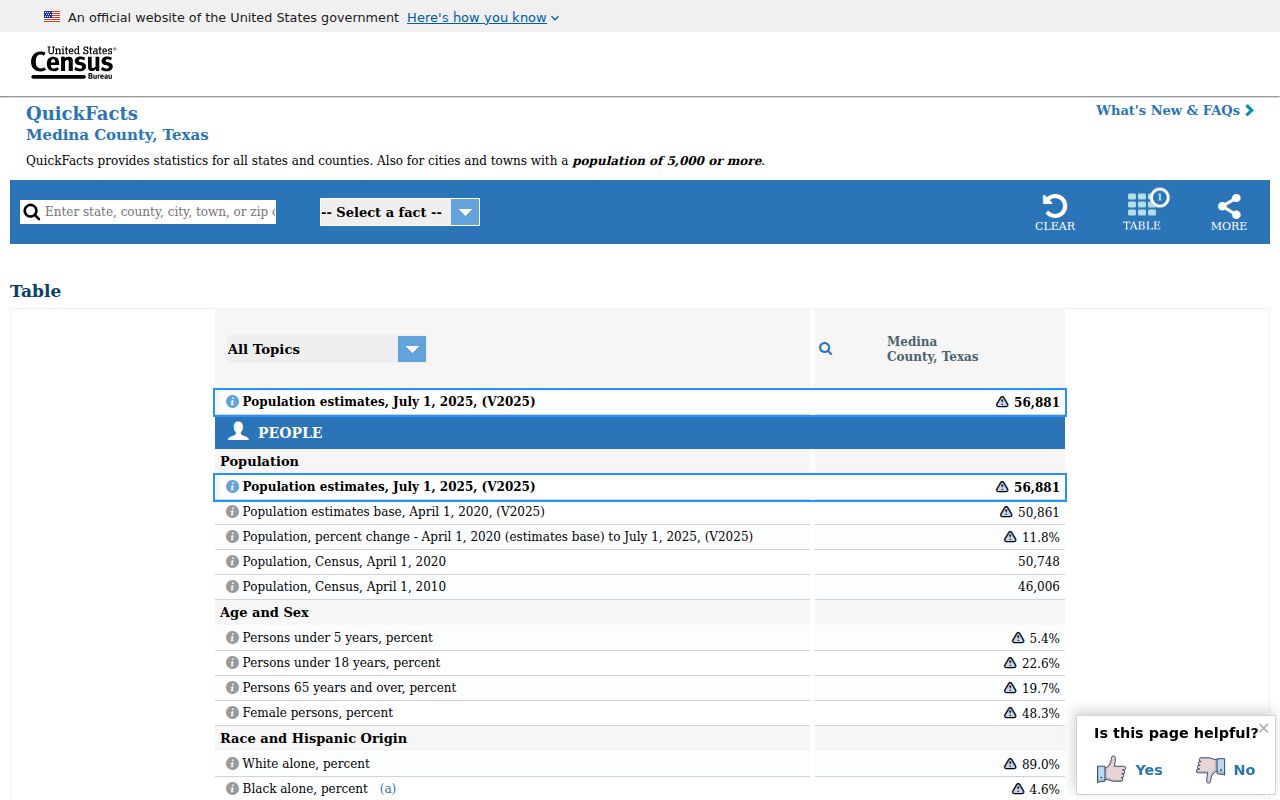
City rank uses like-for-like decennial counts rather than mixing Hondo's newer estimate with figures from a different series.
Medina County Courthouse Record History
Medina County organized in 1848 with Castroville as its seat. Its first permanent courthouse, built in 1854, later served as a school and now stands as Castroville City Hall. Voters moved the seat to Hondo in 1892. The current limestone courthouse opened in 1893, and matching wings were added from 1939 through 1942.
The Texas Historical Commission courthouse marker documents that shift and the building's design.
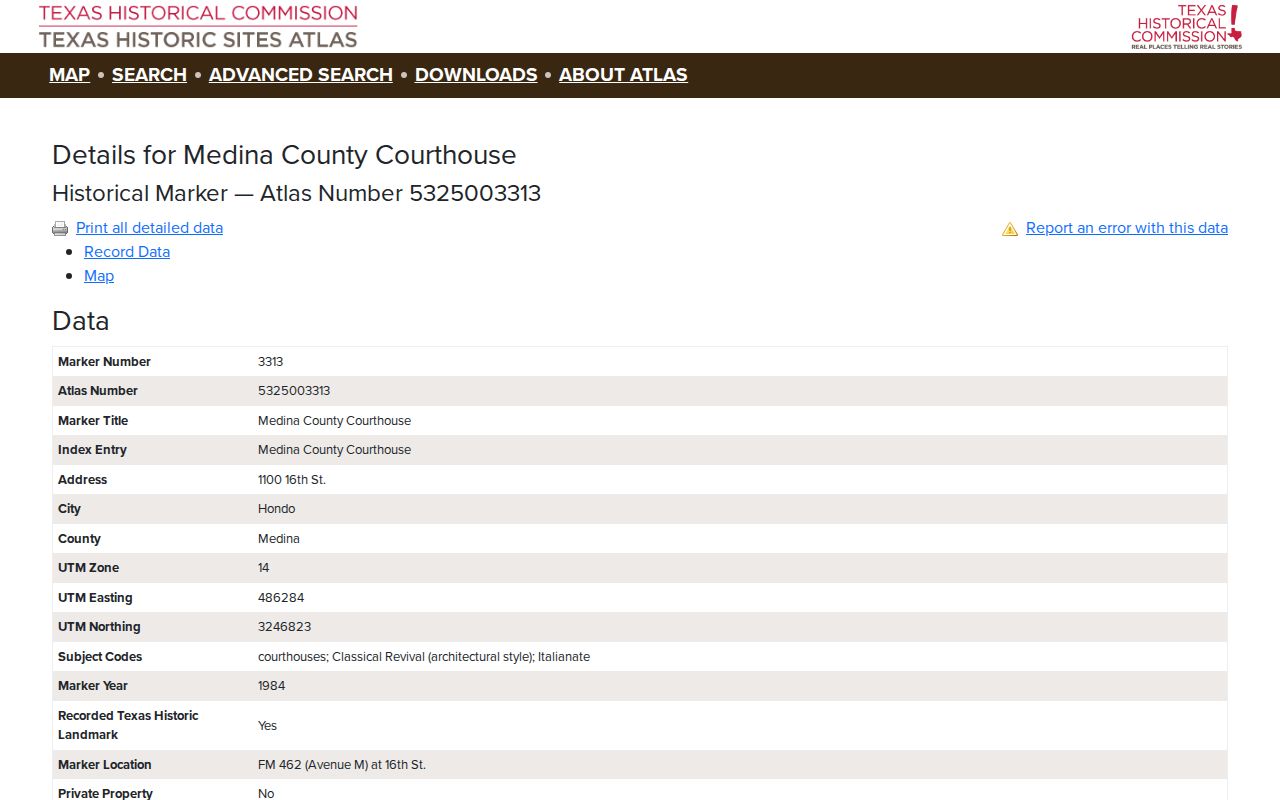
That history explains why Castroville holds the older civic landmark while today's district and county clerk searches lead to Hondo.
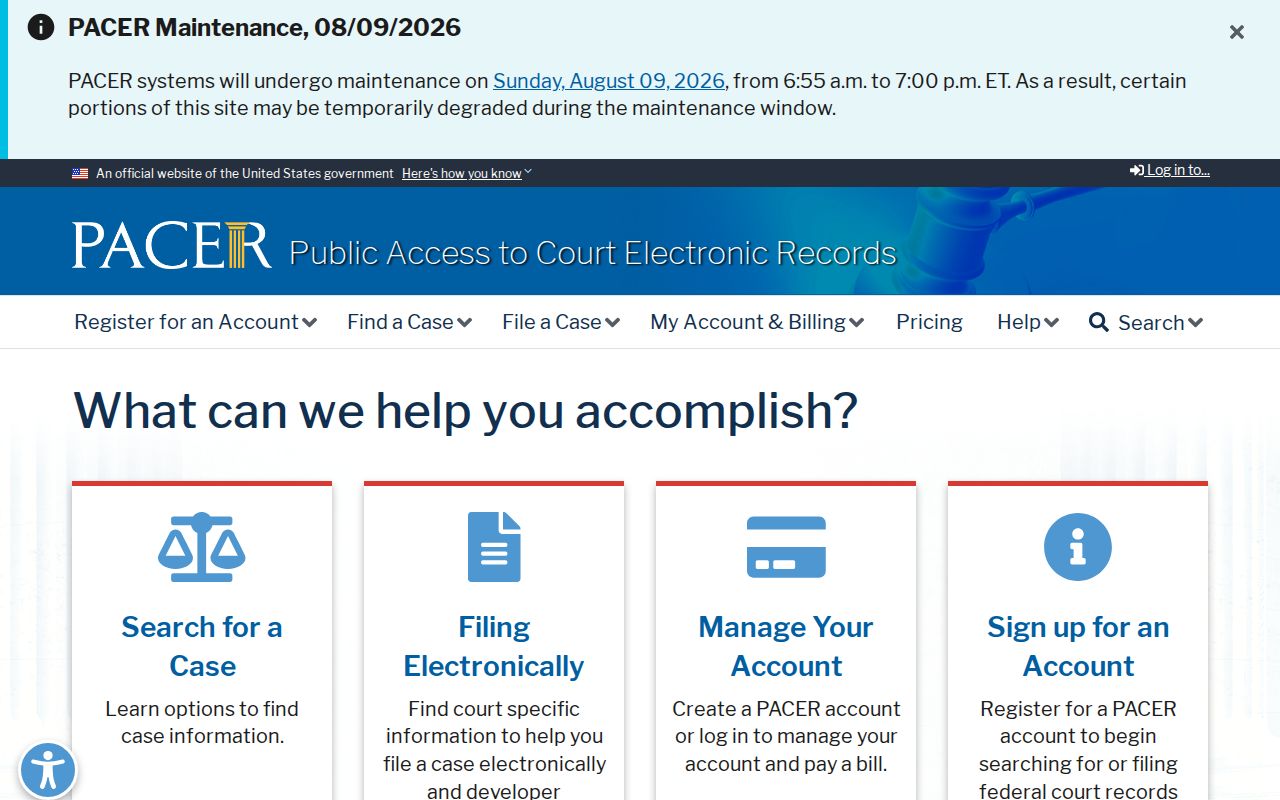
Federal records follow another route. Medina County lies in the San Antonio Division of the Western District of Texas. The PACER court access portal handles federal dockets rather than the Medina portal.
Federal custody is also separate. The Bureau of Prisons locator searches federal custody and release information.
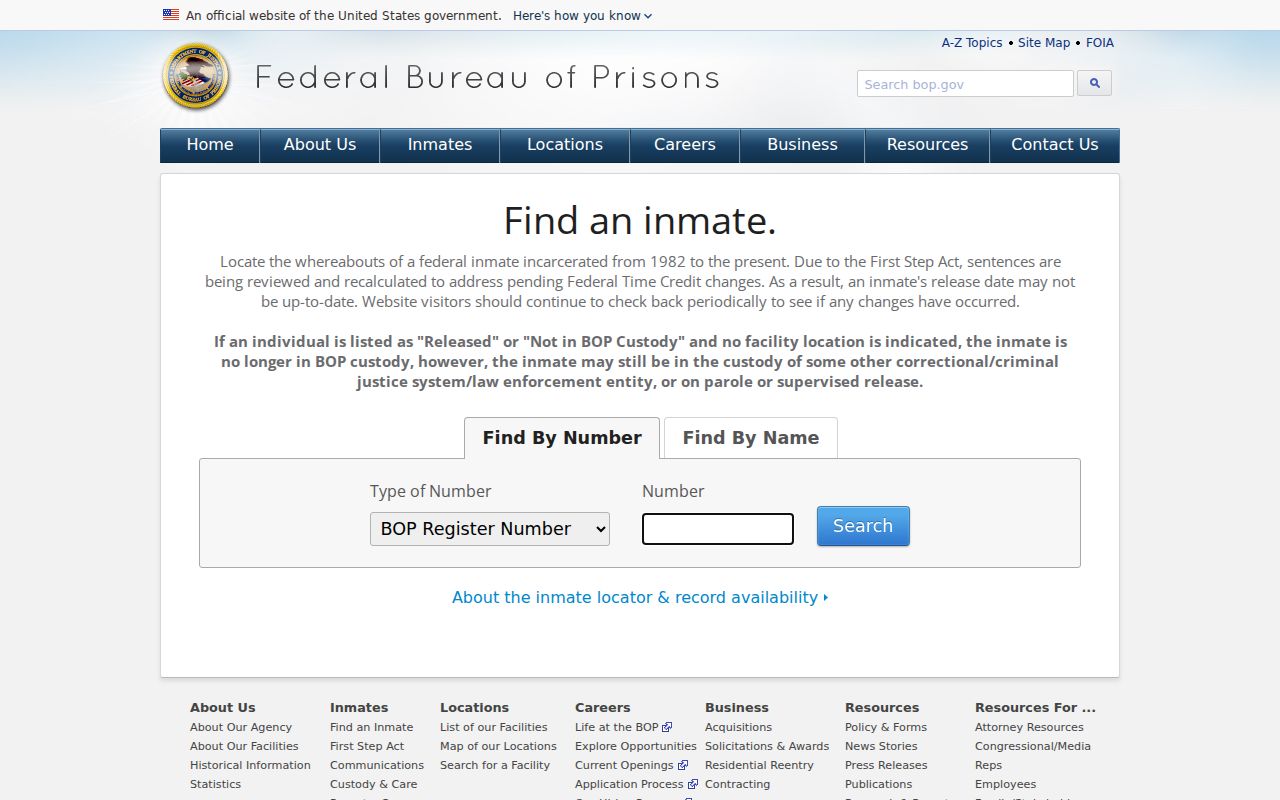
No federal BOP institution was verified inside Medina County, so county jail and TDCJ channels remain distinct from the federal locator.